Slow Travel in Los Cabos: The Case for Doing Less, Better
The defining travel shift of 2026 isn't a destination — it's a pace. Across every industry survey, the same pattern: travellers replacing jam-packed itineraries with longer stays, fewer stops, and time to actually inhabit a place. The industry calls it slow travel. In Los Cabos, we just call it staying properly.
What slow looks like here
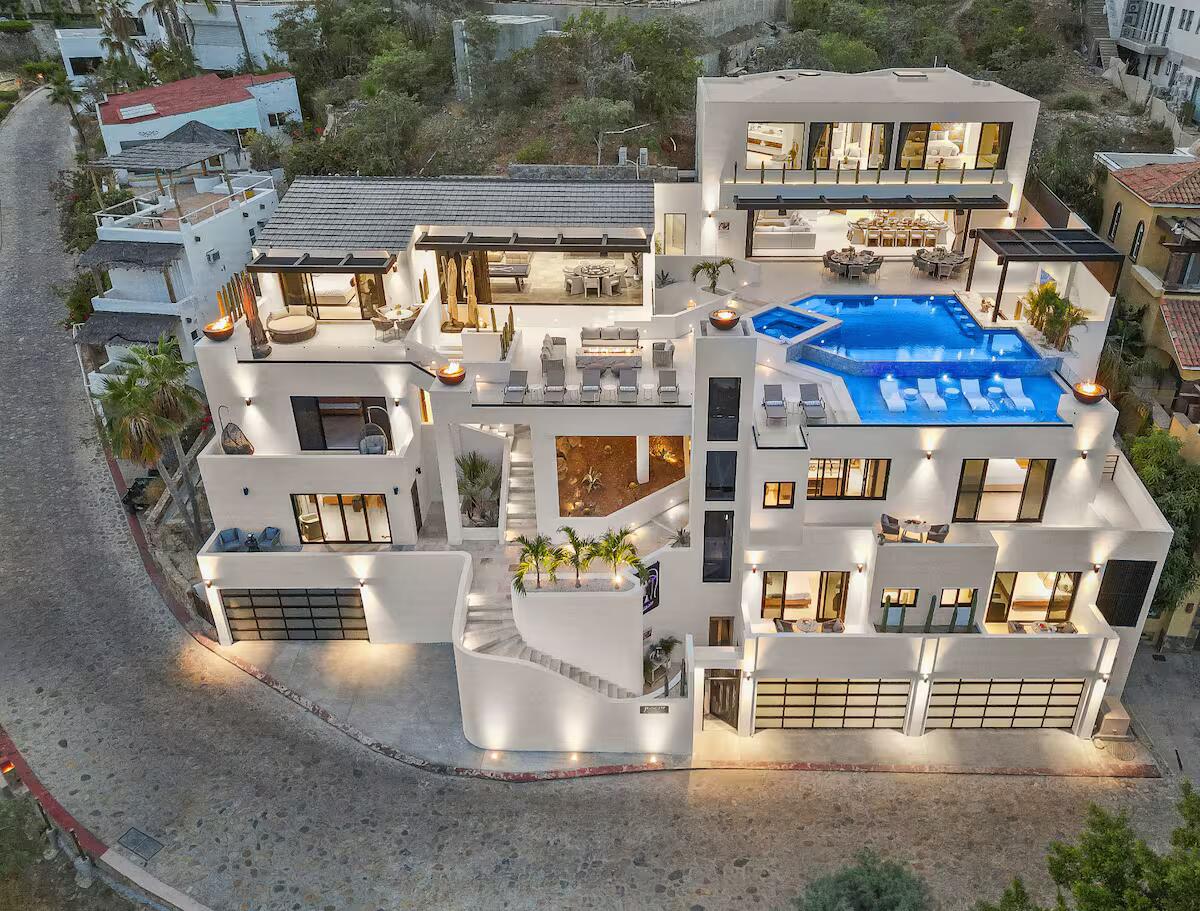
- One villa for a week-plus instead of two resorts in five nights
- Mornings with a rhythm: the same swim, the same coffee spot, the barista who starts your order on sight
- One thing a day — a cove, a gallery, a long lunch — with room for the unplanned
- A cooking class instead of a third restaurant; the market instead of the buffet
- Thursday Art Walk because it's Thursday, not because it's on a list
Why the villa is slow travel's natural habitat
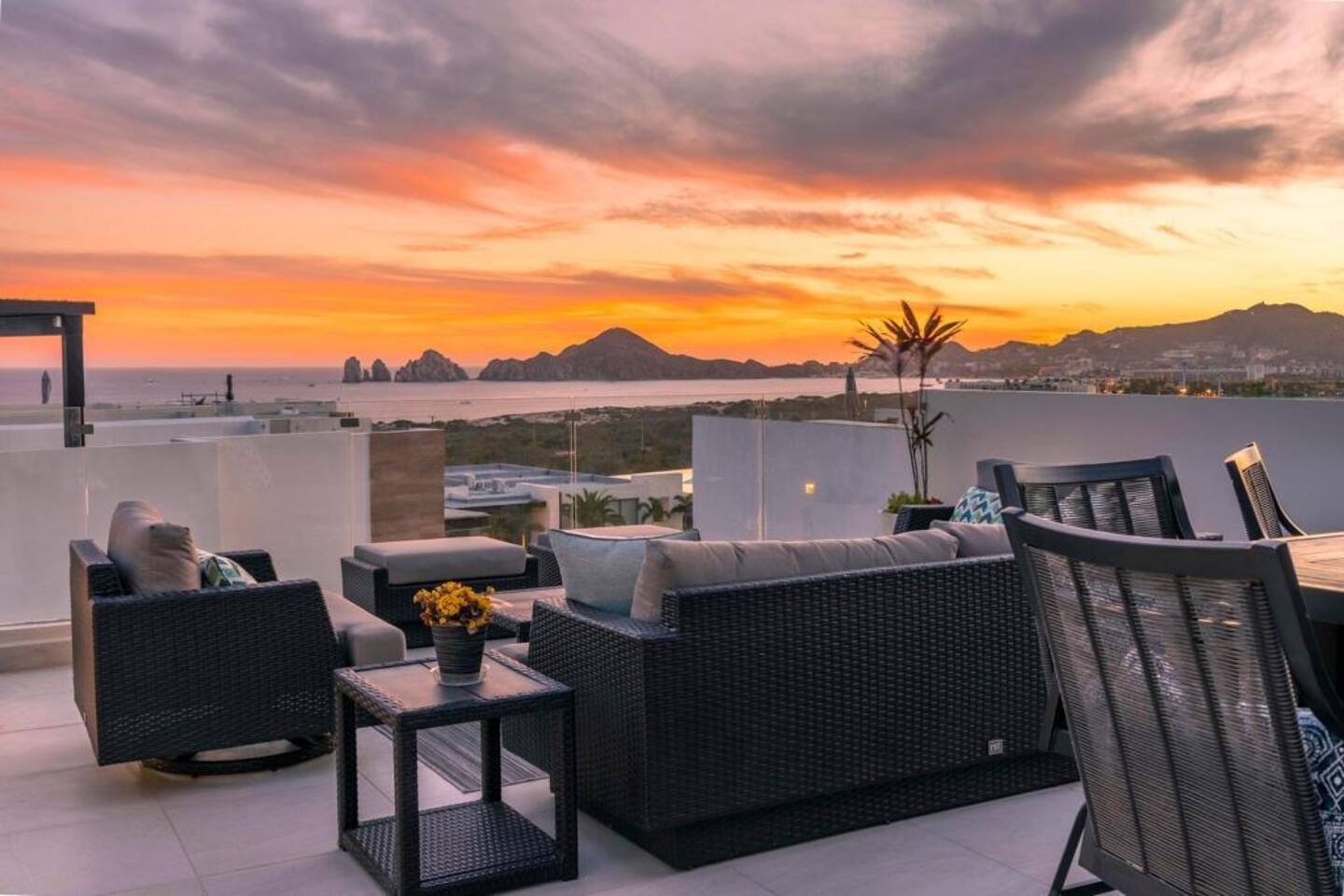
Hotels are engineered for turnover; villas are engineered for staying. A kitchen you cook in, a table that hosts the long dinner, neighbours you start to recognise, groceries that reflect a week of actual life. By day three a villa stops feeling like accommodation and starts feeling like a residence with a spectacular commute to the pool.
The economics agree: longer stays earn better rates, and one considered trip costs less — in money and in jet lag — than two rushed ones.
A slow week, sketched
- Two anchor experiences all week (a boat day, a Todos Santos day)
- Chef in twice; market shopping once; tacos always
- One standing ritual: sunrise walk, evening swim, domino tournament — yours to pick
- Zero alarms after day two
If this is the trip you've been circling, stay two weeks. Ask us about extended-stay rates — the second week is where the slowness pays off.
Fourteen hand-picked villas, a local concierge, and eleven years on the ground. Tell us the trip — we’ll handle the details.